
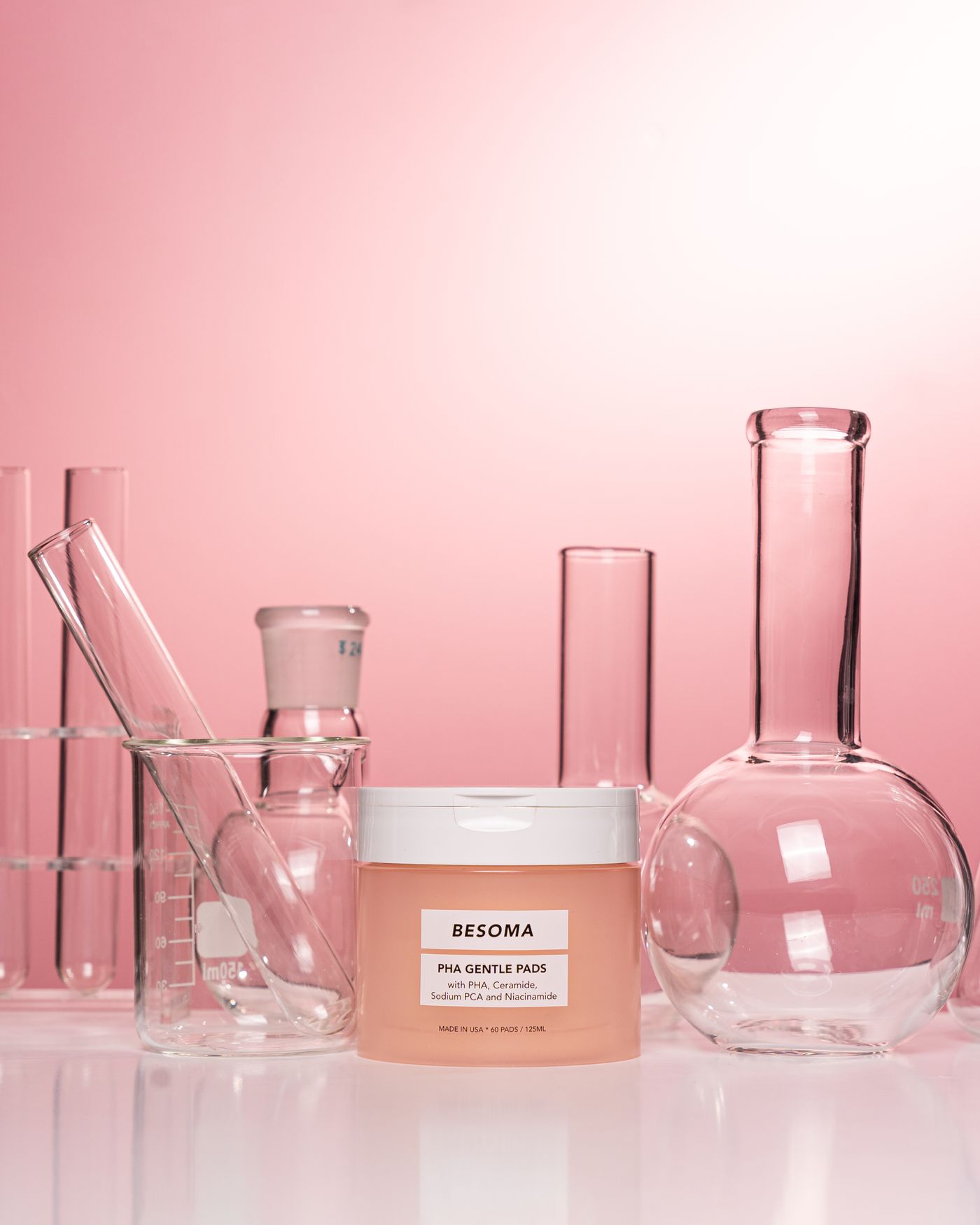
Consider the whole moisturiser
The American Academy of Dermatology includes ceramides among ingredients to look for in moisturisers. Compare the product’s overall texture and directions, rather than treating one ingredient name as a guarantee of suitability.
Keep a useful record
If your skin is reactive, keep the packaging and note when you started a new product. This makes it easier to discuss the exact formula with a dermatologist if discomfort persists.
What ceramides are
Ceramides are lipids that make up a significant part of the skin’s outer barrier. The ceramides used in skincare are manufactured to resemble the ones the skin already contains.
Why they are paired with other lipids
Moisturisers commonly combine ceramides with cholesterol and fatty acids in particular ratios, since research on supporting the skin barrier generally looks at these lipids together rather than ceramides in isolation.
Signs a barrier may need support
Tightness, flaking or stinging when using products that were previously comfortable can point to a compromised barrier. That is a detail worth raising with a pharmacist or dermatologist rather than working out alone.
Where ceramides commonly appear
Daily moisturisers, night creams and some gentler cleansers are typical places ceramides are listed, usually marketed around barrier support.
Not a treatment for active breakouts
Ceramide-focused products are about supporting the skin barrier, not treating acne. Combining them with acne treatments should still be introduced carefully.
Reading ingredient names
Codes such as ceramide NP, AP or EOP on an ingredient list refer to specific ceramide types. The exact combination and ratio used matters more than the presence of any single one.
Choosing between a lotion, cream or balm
Ceramide-containing products are sold across a wide range of textures, from light lotions to heavier balms, and the right choice depends more on your skin type and the climate than on the ceramide content itself. Oilier skin types or warmer climates may suit a lighter lotion, while very dry skin or colder conditions often call for a heavier cream or balm to meaningfully reduce water loss overnight. Reading the full ingredient list, rather than the ceramide claim on the front of the pack, is the more reliable way to judge whether a specific product’s texture and other ingredients will suit your skin.
Needs can change with age and climate
A moisturiser that worked well in your twenties is not guaranteed to suit your skin a decade later, or after moving to a different climate, since barrier function and environmental demands both shift over time. Revisiting your moisturiser choice occasionally, rather than assuming one product will always remain the right fit, is a reasonable habit.
A closing thought on barrier care
Ceramides are one part of a much larger picture that includes cleansing habits, sun exposure, indoor heating and cooling, and the other active ingredients used in a routine, so a ceramide-containing moisturiser is best understood as one supportive element rather than a complete answer to barrier concerns on its own. If dryness, flaking or sensitivity continue despite consistent use of a ceramide moisturiser over several weeks, that is a reasonable point to review the rest of your routine, or to ask a pharmacist or dermatologist whether something else in your daily habits might be contributing to the problem.
Further reading
Editorial draft — pending client review. General information; not an individual treatment plan.